
How Often Does A Septic Tank Need Cleaning?
Three to five years covers most Salt Lake City homes, but the number moves with household size and tank size. A family of five putting laundry, dishwashing and showers through a small tank will hit capacity faster than a couple with a large tank. Nobody wants to guess wrong here. If you are budgeting for the service, septic tank pumping cost in Salt Lake City runs inside the ranges covered on that page, and same-day options exist through septic pumping service. Watch for slow drains, gurgling pipes or standing water near the drain field. Those are covered in more depth on septic tank warning signs. If you are past due and things have backed up, emergency septic service covers the same-day calls. A septic tank cleaning visit and a pumping visit aren't always the same scope, so ask what's included before the truck shows up. Renovation projects sometimes call for a temporary fix. holding tank rental bridges that gap while the system is offline.
What Happens If You Wait Too Long?
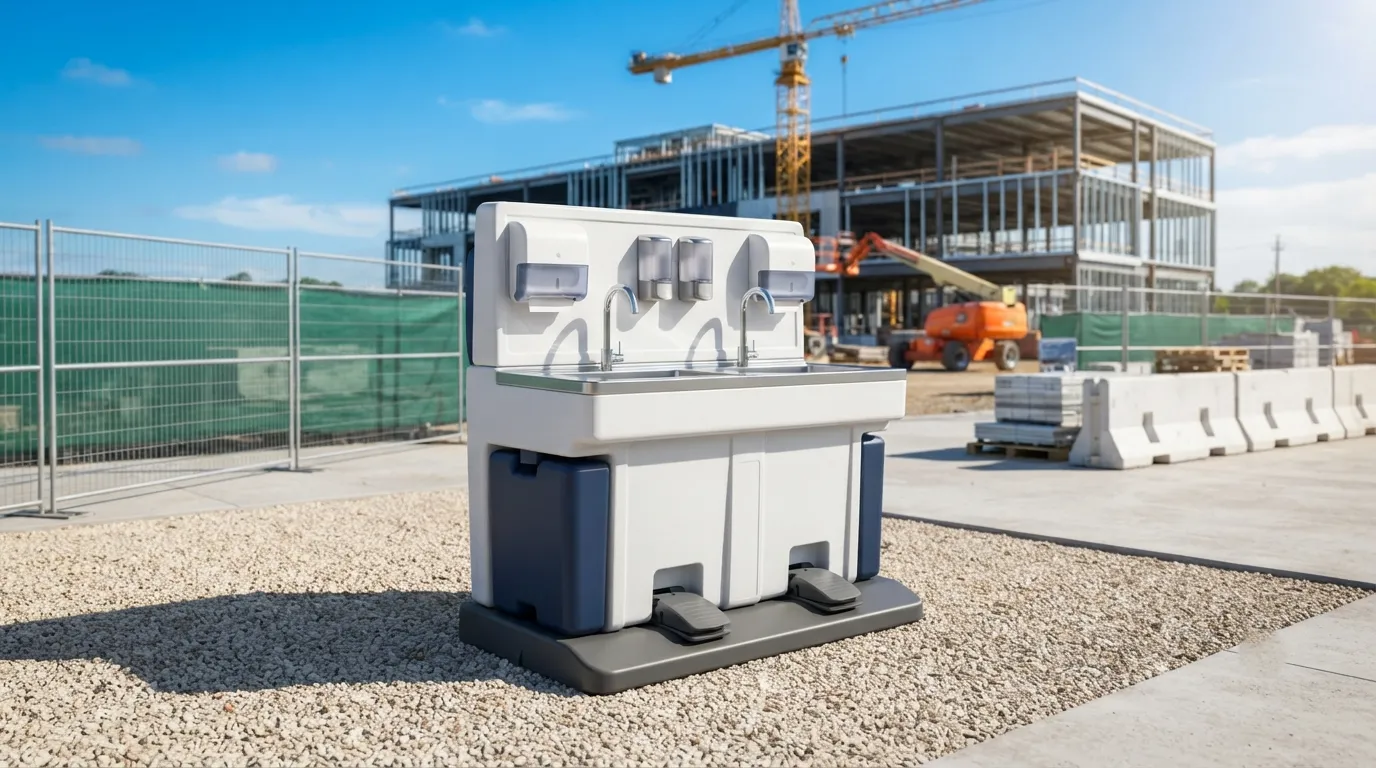
Solids build past the point a pump truck can easily handle, and the drain field can start taking damage that costs far more than a pumping visit. Backups into the house are the worst-case version. For anyone running a commercial kitchen, the clock is different: a grease interceptor gets pumped once fats, oils, grease and solids reach 25 percent of the liquid depth, which can happen in weeks, not years. That's a separate service from residential septic work. See grease trap pumping for that schedule. Construction sites and event grounds around Salt Lake City sometimes need holding capacity that has nothing to do with a home septic system at all, and that's where porta john rental or a full construction site services setup comes in instead of septic work.
Why Does Tank Size Matter So Much?
A bigger tank buys more time between pumpings, plain and simple. Two households with identical people counts but different tank sizes will land on different schedules, which is why "every 3 years" as a blanket rule doesn't hold up. If you don't know your tank size, a pumping company can measure it on the first visit. Below is a rough sense of how usage patterns typically shift the schedule, useful for planning rather than as a strict rulebook:
| Household size | Typical tank size | Pumping interval |
|---|---|---|
| 1 to 2 people | 750 to 1,000 gal | closer to 5 years |
| 3 to 4 people | 1,000 gal | 3 to 4 years |
| 5+ people | 1,000 to 1,250 gal | 3 years or less |
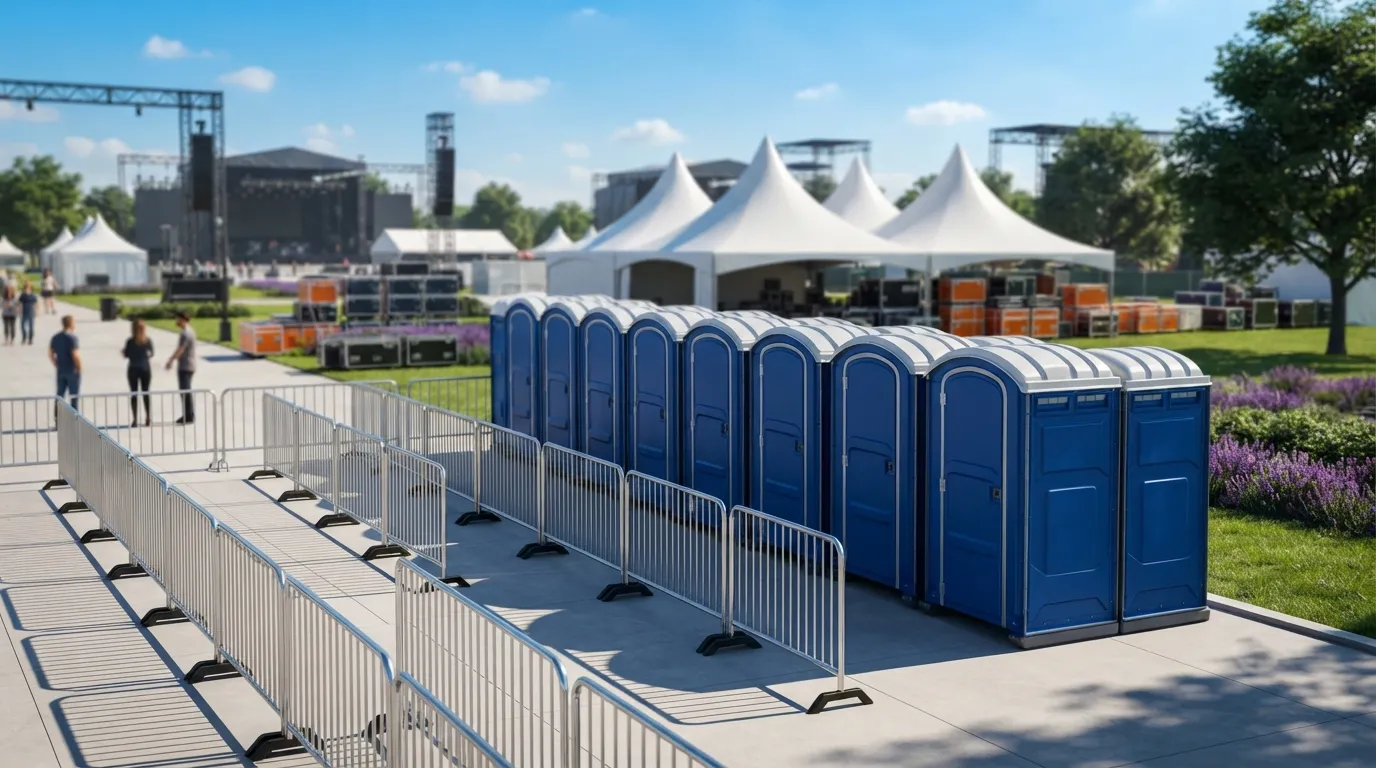
Homes doing heavy laundry volume, running a disposal daily, or hosting frequent gatherings should lean toward the shorter end regardless of size. If you're weighing portable options for a backyard event instead of pushing more load through your septic system, event restroom rental and wedding restroom rental keep guest traffic off the home system entirely.
Do Different Uses Change The Schedule?
Yes. A construction crew, a farm operation and a family home all generate different sanitation demand, and the standards reflect that. OSHA 1926.51(c)(1) sets toilet ratios for construction sites: one facility for 20 workers or fewer, scaling up from there. That's a job-site rule, not a septic rule, but it matters if your property doubles as a work site during a remodel, and home renovation porta potty covers exactly that overlap. Agricultural operations fall under OSHA 1928.110, which requires potable water, toilets and handwashing for hand-labor employees at one facility per 20 workers, within a quarter mile walk. If that applies to your property, farm and agricultural restrooms is built for it. None of these standards change how often your household septic tank gets pumped. They just mean your Salt Lake City property might be juggling more than one sanitation system at once, especially during a build. For sites that need portable toilets alongside septic service, portable toilet rental and standard porta potty rental are the ones most construction crews start with.
How do I know if my tank needs pumping now?
Slow drains, gurgling pipes, sewage odor near the tank or a soggy patch over the drain field are the signs. Don't wait for a full backup. If any of these show up, book a visit rather than guessing at the calendar. septic tank warning signs walks through each one in detail.
Does household size really change the interval that much?
Yes. A one or two person home can often stretch past 5 years on a large tank, while a household of five or more on a smaller tank may need pumping every 3 years or sooner. Usage, not just people count, drives the number.
Is a grease trap on the same schedule as a septic tank?
No. A grease interceptor gets pumped once FOG and solids hit 25 percent of the liquid depth, which can happen in a matter of weeks for a busy kitchen. That's unrelated to the 3 to 5 year residential septic timeline. See grease trap pumping.
What if I'm mid-renovation and my septic system is offline?
A temporary holding tank keeps the household running while the system is serviced or repaired. holding tank rental covers short-term setups for exactly this situation, and it pairs well with emergency septic service if the outage was unplanned.
Can I skip a pumping if things seem fine?
Skipping it risks solids reaching the drain field, which causes damage well beyond the cost of a routine pumping. The 3 to 5 year window exists because problems build quietly before they show up as a backup.
Next step
Get a delivery date
Tell us the address, the dates and the headcount. We size the order and confirm the route.