
Do you need a permit for a porta potty in Salt Lake City?
If the unit stays on your own lot, driveway or a fenced job site, most rentals from Salt Lake City Porta Pros go out without any city paperwork at all. The question changes the moment a unit touches a public street, curb strip or sidewalk. That is public right of way, and cities generally regulate what sits there. We have not verified a specific Salt Lake City ordinance number for right-of-way placement, so treat that as a call you make to the city before booking, not an assumption. Homeowners doing a home renovation porta potty rental almost always place the unit in a driveway, which sidesteps the issue. Contractors running a construction site services job with limited yard space are the ones who most often need the street. Ask early. A same-day answer beats a delivery truck turned away. The same logic applies to portable toilet rental delaware customers, or anyone lining up roll-off dumpster rental delaware jobs: confirm placement before the truck leaves the yard.
Where can a porta potty legally sit on a job site?
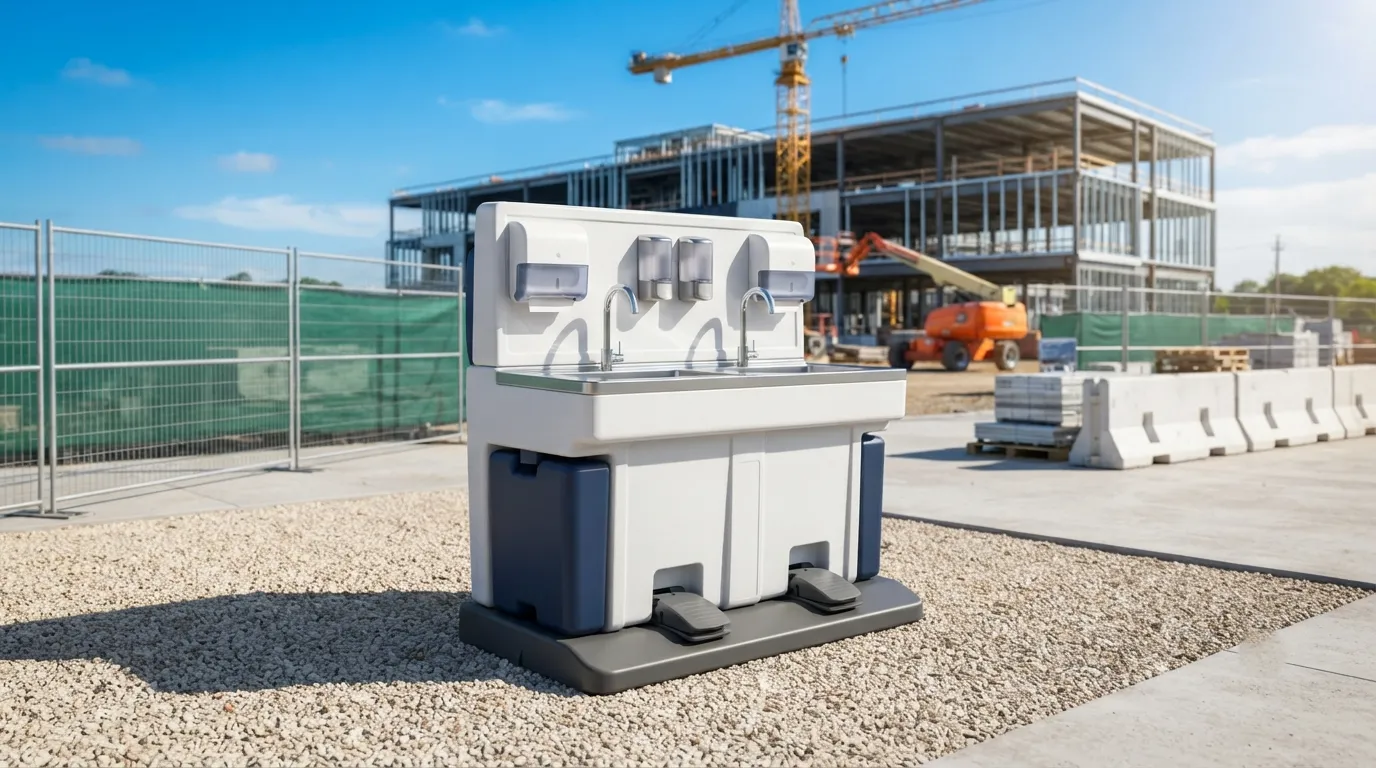
Placement rules are as much about function as legality. OSHA 1926.51(c) sets toilet counts for construction crews: one facility per 20 workers at or under that number, then one toilet and one urinal per 40 workers as crews grow past that, and one per 50 once you pass 200 workers. That is a federal labor standard, not a city permit, but it drives how many units you need before you even ask where they go. Our porta potty placement guide covers ground clearance and door swing, and the porta potty placement rules there apply whether the site sits in Salt Lake City or anywhere else you are sourcing units. A standard porta potty rental needs firm, level ground since a standard unit runs about 44 by 48 inches on the ground and stands roughly 92 inches tall, tall enough to tip on soft or sloped fill. Delivery trucks need room too. A roll-off dumpster rental placed on the same site typically needs about 60 feet of straight clearance behind the truck, so plan porta potty and dumpster spots together rather than fighting for the same curb cut later.
What about dumpster permits on the street in Salt Lake City?
A dumpster sitting in your own driveway or yard usually needs nothing from the city. Roll a 30 yard dumpster rental or a 40 yard dumpster rental onto a public street, though, and you are back in right-of-way territory, the same category that governs porta potty rules and regulations near a curb. Cities that regulate this typically want a permit application before the container lands on pavement, sometimes with a placard displayed on the unit itself. We do not have a confirmed Salt Lake City fee or ordinance number for this, so check with the city's permitting office directly rather than guessing. Our dumpster permit requirements page walks through the general pattern seen across cities of this size. If you are also renting a temporary power pole for site electrical, a temporary power pole permit can trigger a separate inspection depending on load, so bundle your calls to the city into one conversation instead of three. Cities vary widely here; a jersey city dumpster permit process looks nothing like Salt Lake City's, which is exactly why a phone call beats a guess.
Are ADA-accessible units required on a permitted job site?
Yes, once you have a cluster of single-user units. ADA Standards section 213.2 requires that at least 5 percent of clustered portable toilet units be accessible, with a minimum of one no matter how small the cluster. An ADA accessible porta potty needs a 60 inch turning circle per ADA 304.3.1, a 32 inch clear door opening per ADA 404.2.3, and a 36 inch clear approach path per ADA 403.5.1. These are federal accessibility standards, separate from any local placement permit, and they apply whether the unit sits in Salt Lake City proper or out toward South Salt Lake, 7.9 miles south, or Murray, 11.6 miles south. Event organizers booking event restroom rental service for a race or festival should plan the accessible count into their layout from day one, not as an afterthought once the general units are already staged.
Do I need a permit for a porta potty on my own driveway?
No, generally not. Private property placement, like a driveway or fenced yard, sits outside most right-of-way permit rules. That is the simplest placement, and most porta john rental bookings for home projects never touch a city desk at all.
Does a construction site porta potty need a permit separate from the dumpster?
Sometimes, and it depends on where each sits. If both units sit on private ground, likely neither needs one. If either sits on a street or sidewalk, check separately, since a city may treat toilets and dumpsters under different rules.
Can I place a porta potty on the sidewalk temporarily?
Only if the city allows it, and that needs confirming case by case. Sidewalks are public right of way in most cities, and blocking pedestrian or ADA accessible routes is rarely permitted without a specific approval.
Is a permit needed for a restroom trailer at an event?
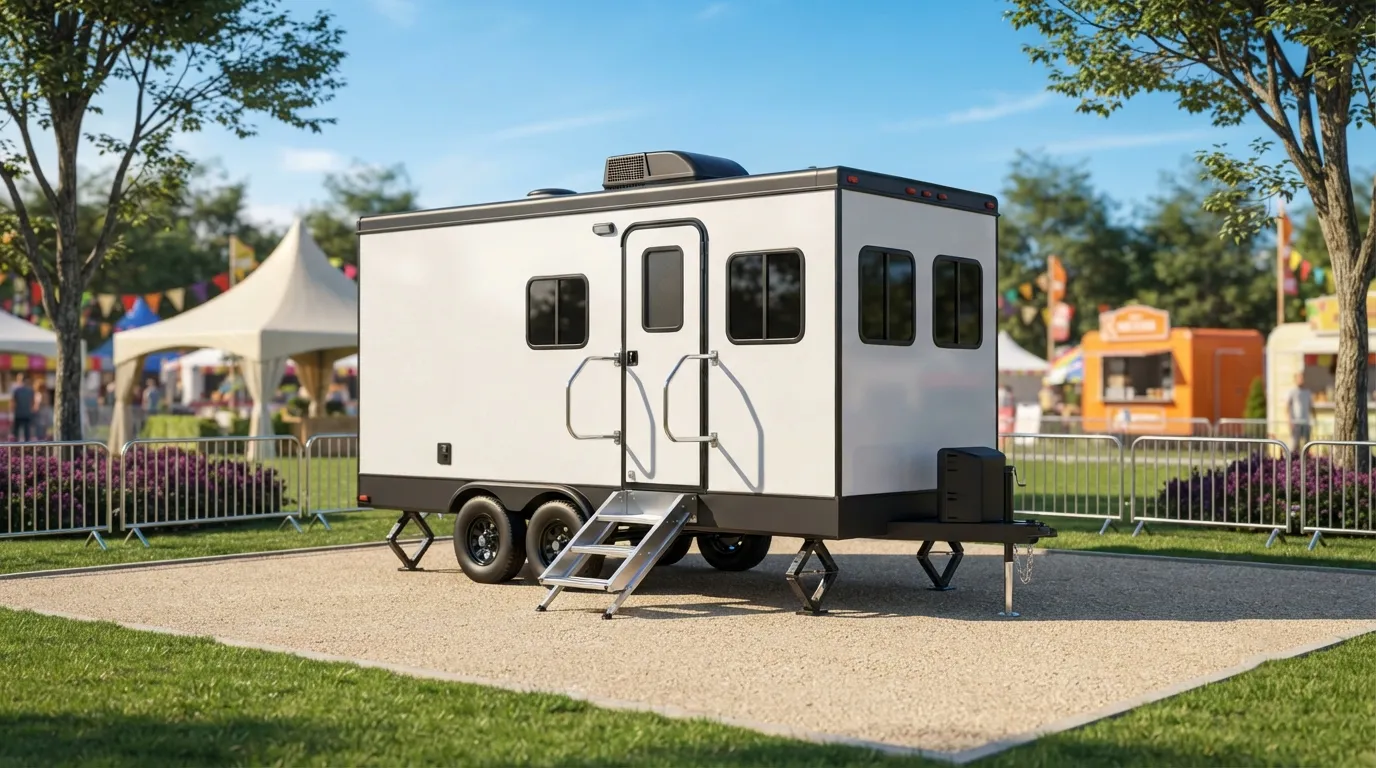
The same right-of-way logic applies. A restroom trailer rental or a luxury restroom trailer staged in a parking lot you control usually needs no permit; one staged on a public street does.
What happens if I skip a required permit?
You risk a fine or a forced removal mid-project, and possibly a delayed job. Confirming with Salt Lake City before delivery day costs one phone call. Skipping it can cost a rescheduled emergency porta potty rental later.
Next step
Get a delivery date
Tell us the address, the dates and the headcount. We size the order and confirm the route.