
What makes a porta potty ADA accessible?
An ADA accessible porta potty is bigger and laid out differently than a standard unit. It needs a 60 inch diameter turning circle inside, per ADA Standards 304.3.1, so a wheelchair user can turn around without backing out the door. The door opening has to clear 32 inches, per ADA Standards 404.2.3, wider than the door on a standard porta potty rental. Grab bars sit at a fixed reach range, and the floor has to be stable, firm and slip resistant under ADA Standards 302.1, which matters on gravel lots around Salt Lake City more than people expect. Operable parts like the door latch and paper dispenser have to work with one hand, no pinching or twisting, and take no more than 5 pounds of force, per ADA Standards 309.4. None of that is optional trim. It is the difference between a unit that meets code and one that just looks similar from the outside. If you are pricing this out, ADA unit day and week rates run higher than standard units because of the added size and hardware.
How many ADA units do I need?
The 5 percent rule from ADA Standards 213.2 is the floor, not a suggestion you can round down. Ten standard units on a construction site means at least one has to be accessible, and that stays true even if your worker count would otherwise fall under a lower OSHA tier. OSHA 1926.51(c) sets its own toilet ratio separately, at one facility for 20 workers or fewer, climbing from there, and that ratio runs alongside the ADA rule, not instead of it. If you are staging a race through Salt Lake City with stops spread out, use the marathon and race restrooms guide to plan cluster sizes at each stop, and check how many porta potties do I need for the general math before you add the accessible count on top.
Where do accessible units need to go?
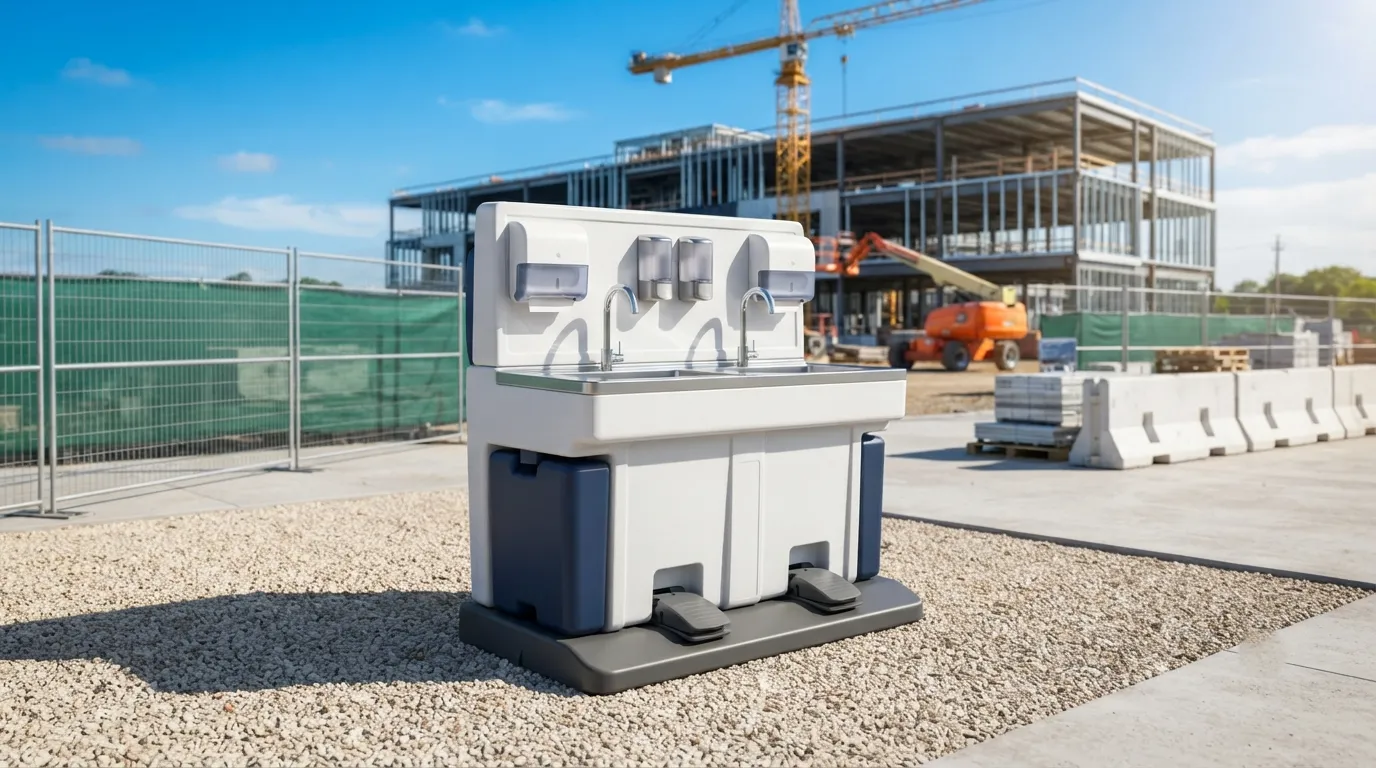
Placement is where most rentals actually fail the standard, not the unit itself. The path leading to the unit needs a clear width of at least 36 inches, per ADA Standards 403.5.1, with no ruts, no loose gravel pileup, no hose or cord crossing it. If there is a ramp anywhere on that path, the running slope cannot exceed 1:12 under ADA Standards 405.2, which rules out setting a unit on a curb or a raised pad without a proper approach. Reach range for the coat hook and toilet paper matters too, capped at 48 inches high and no lower than 15 inches, per ADA Standards 308.2.1. Our porta potty placement guide covers ground conditions in more depth. For sites inside city limits, confirm placement in the public right of way with the City of Salt Lake City before delivery, since that rule is not something to guess at. Whether it is a downtown build or a lot in South Salt Lake, 7.9 miles south, the same clearance rules apply.
Do event venues have different ADA rules?
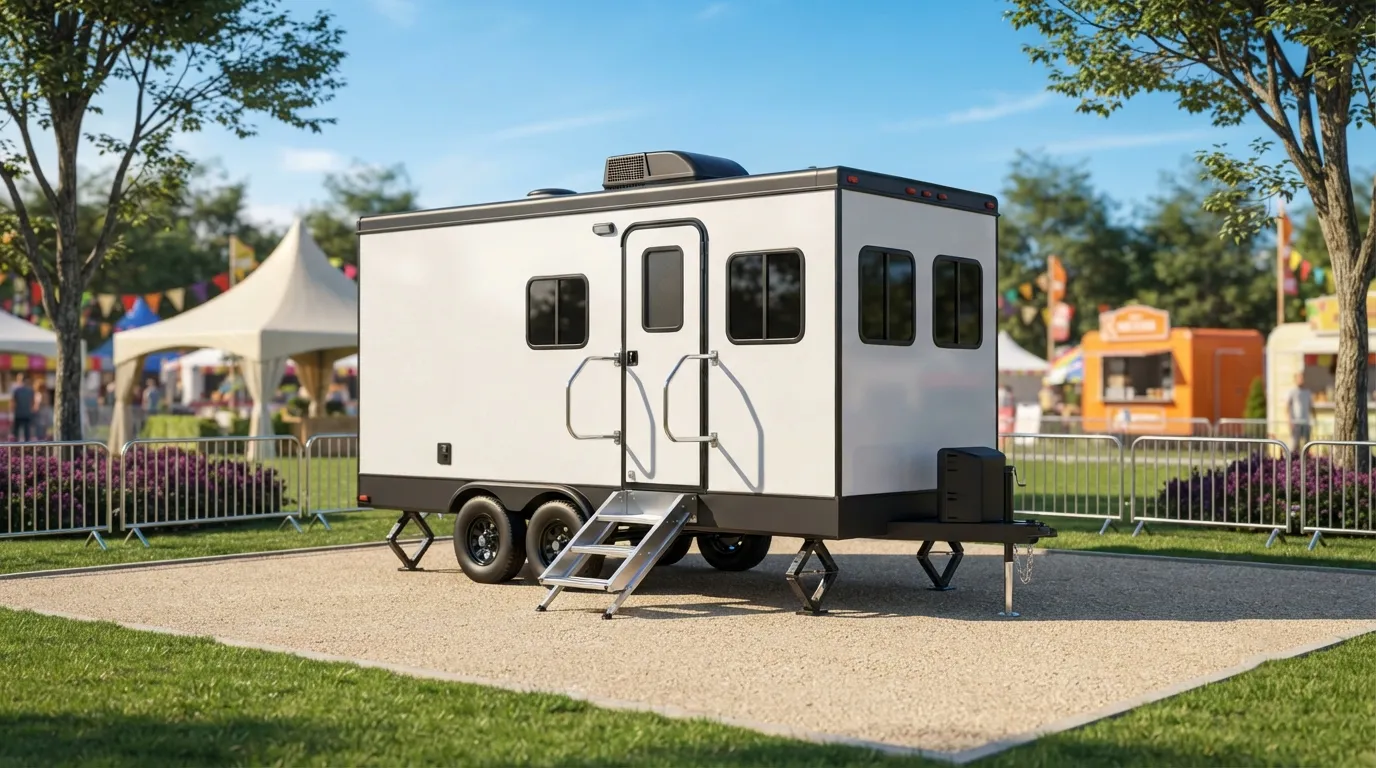
Not really, but the stakes are different because the public is walking through, not just a work crew. A wedding with 150 guests spread across a lawn needs its accessible unit reachable from the main path, not tucked behind the caterer's tent. Check the wedding restroom rental page for guest-count math, and the festival restroom rental or county fair restrooms pages if you are planning for a crowd that moves in waves rather than staying put. For film production, the film set restroom rental page covers how ADA units get worked into a moving set schedule. If your event needs something nicer than a standard unit for VIP or bridal party use, the deluxe flushable porta potty still has to sit alongside, not instead of, the required accessible count. And if the crowd includes a mobility-limited guest list larger than expected, add units rather than swap out the required accessible one.
| unit type | day | week | month |
|---|---|---|---|
| ADA accessible | 200-400 | 120-240 | not listed |
| standard | 100-350 | 130-500 | 125-325 |
Rates above are typical bands, not fixed quotes. Ask for a free quote with your site address and unit count, and check the porta potty rental cost page for a fuller breakdown by duration.
How wide does the path to an ADA unit need to be?
At least 36 inches clear, end to end, per ADA Standards 403.5.1. No obstructions, no soft mud, no gravel deep enough to catch a wheel. This applies whether the unit sits on a construction lot or an event field anywhere in Salt Lake City.
Can I rent just one ADA unit for a small job?
Yes, and for a crew of ten or fewer that is often enough to meet ADA Standards 213.2's one-unit minimum. Pair it with your required OSHA 1926.51(c) toilet count separately, since the two rules run side by side, not combined.
Does a construction site need an ADA unit if there's no public access?
Generally yes if workers with disabilities may be on site, since ADA Standards 213.2 applies to the cluster of units, not just public-facing ones. Check construction site services for how this pairs with your OSHA toilet ratio.
Is there a difference between ADA units for events versus job sites?
The unit itself is the same. What differs is placement pressure. Events move more foot traffic past the unit, so path width and turning space under ADA Standards 304.3.1 get tested harder than on a fenced job site.
Where can I check city rules before placing a unit on a public street?
Right-of-way placement inside Salt Lake City needs confirming directly with the city before delivery day. See porta potty permit requirements for what to ask about, and loop it in early so it does not delay your rental.
Next step
Get a delivery date
Tell us the address, the dates and the headcount. We size the order and confirm the route.